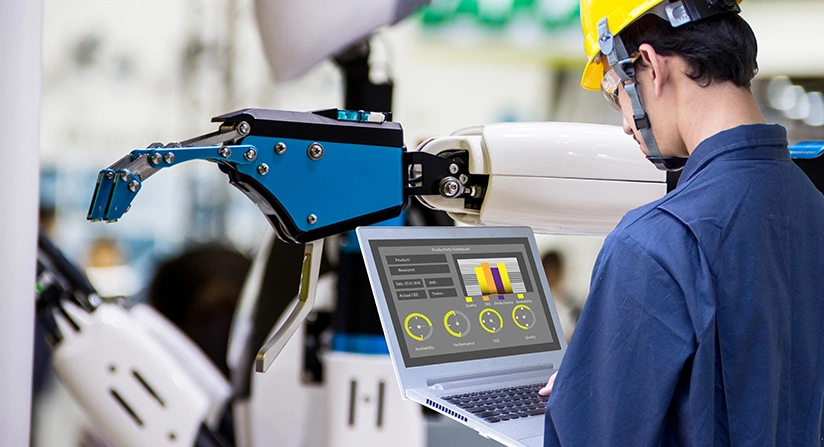
The implementation of automation in modern manufacturing is fraught with challenges that can impede progress. High initial costs often deter investment, particularly among smaller manufacturers. Additionally, workforce resistance due to fears of job displacement complicates the shift. Skill gaps necessitate thorough training, while integrating new systems with existing legacy processes presents operational hurdles. Understanding these challenges is vital to steering through the complexities of automation and ensuring successful implementation. What strategies can mitigate these obstacles?
Key Takeaways
- High initial costs and investment concerns deter manufacturers from adopting automation technologies, especially smaller companies seeking ROI justification.
- Workforce resistance stems from fears of job displacement, which can hinder successful automation implementation.
- Significant skill gaps in operating advanced machinery necessitate investment in training programs for workforce upskilling.
- The complexity of integrating automation with legacy systems complicates communication and requires extensive customization, impacting operational efficiency.
- Ongoing maintenance challenges and the need for specialized technical expertise can disrupt production and increase downtime.
Understanding the Need for Automation in Manufacturing
As industries evolve in response to global competition and technological advancements, understanding the need for automation in manufacturing becomes increasingly vital. The drive towards automation presents various challenges that organizations must navigate effectively. Key among these challenges is the integration of complex systems with existing workflows, which often leads to disruptions in production. Additionally, workforce resistance to change plays a significant role, as employees may fear job displacement or require retraining for new skill sets. Moreover, the rapid pace of technological advancements necessitates ongoing adaptation, placing pressure on companies to remain agile. Ultimately, addressing these elements is essential when exploring what are the challenges of implementing automation in manufacturing, ensuring companies can harness the potential benefits while mitigating risks.
High Initial Costs and Investment Concerns
A significant barrier to the widespread adoption of automation in manufacturing is the high initial costs and associated investment concerns. Companies must often allocate substantial capital for advanced machinery, software, and infrastructure upgrades. This upfront financial commitment can deter smaller manufacturers, who may struggle to justify the return on investment amid fluctuating market conditions. Additionally, the complexity of integrating new technologies into existing systems raises further financial apprehensions, as it may lead to unforeseen costs during implementation. Businesses must carefully evaluate their financial health and project future savings against these investments. Consequently, the uncertainty surrounding these high initial costs can hinder decision-making, leading to hesitance in embracing automation, despite its potential benefits in efficiency and productivity.
Workforce Resistance and Skill Gaps
While the potential for increased efficiency and productivity through automation is widely recognized, workforce resistance and skill gaps present formidable challenges in the change to automated manufacturing processes. Employees often harbor fears of job displacement, leading to resistance against new technologies. This skepticism can hinder the successful implementation of automation initiatives. Additionally, a significant skill gap exists, as many workers lack the necessary technical knowledge to operate advanced machinery and software. Organizations must invest in extensive training programs to upskill their workforce, fostering a culture of adaptability. Addressing these challenges is vital for achieving a seamless shift to automated systems, ultimately enabling manufacturers to fully realize the benefits of automation while maintaining employee engagement and morale.
Integration With Existing Systems and Processes
Successfully integrating automation into existing systems and processes poses a significant challenge for manufacturers seeking to enhance operational efficiency. The complexity of legacy systems often hinders seamless communication between automated technologies and existing machinery. Manufacturers must navigate various data formats, communication protocols, and software compatibility issues that can result in costly downtime. Additionally, the lack of standardized interfaces complicates the integration process, requiring extensive customization and potential re-engineering of workflows. This challenge is further exacerbated by the need for real-time data analytics, which necessitates robust data management strategies. Ultimately, addressing these integration issues is vital for ensuring that automation initiatives yield the desired improvements in productivity and operational performance, underscoring the multifaceted challenges of implementing automation in manufacturing.
Ongoing Maintenance and Technical Challenges
Ongoing maintenance and technical challenges represent a critical hurdle in the journey toward effective automation in manufacturing. As systems become increasingly sophisticated, the need for specialized technical expertise grows. Manufacturers must guarantee that personnel are adequately trained to address software updates, equipment malfunctions, and integration issues. Additionally, maintaining compatibility between legacy systems and new automated technologies can complicate operational efficiency. Downtime caused by technical failures not only disrupts production but also impacts overall profitability. Moreover, the rapid pace of technological advancement requires continuous investment in both hardware and software to remain competitive. Consequently, addressing these ongoing maintenance and technical challenges is essential for organizations seeking to successfully implement automation in manufacturing. What are the challenges of implementing automation in manufacturing? These complexities rank among the most significant.
Frequently Asked Questions
How Does Automation Affect Product Quality in Manufacturing?
Automation enhances product quality in manufacturing by ensuring consistent precision and reducing human error. However, it may introduce new challenges, such as reliance on technology and potential difficulties in maintaining equipment, impacting overall production outcomes.
What Industries Benefit Most From Automation Implementation?
Industries such as automotive, electronics, and food processing greatly benefit from automation implementation. Enhanced efficiency, reduced labor costs, and improved precision are key advantages driving these sectors toward increased productivity and competitive advantage in the market.
Are There Legal Regulations Regarding Automation in Manufacturing?
Yes, legal regulations regarding automation in manufacturing exist, encompassing safety standards, labor laws, and environmental compliance. These regulations guarantee safe operation, protect workers’ rights, and promote sustainable practices, ultimately influencing automation implementation strategies within the industry.
How Can Small Manufacturers Afford Automation Technology?
Small manufacturers can afford automation technology by leveraging financing options, seeking government grants, collaborating with tech providers for scaled solutions, and investing in phased implementation to spread costs while enhancing efficiency and productivity incrementally.
What Future Trends Are Emerging in Manufacturing Automation?
Emerging trends in manufacturing automation include increased use of artificial intelligence, collaborative robots, and the Internet of Things, enabling smarter processes, enhanced efficiency, and real-time data analytics, ultimately transforming production environments and fostering competitive advantages.
Conclusion
To summarize, the implementation of automation in modern manufacturing is fraught with significant challenges. High initial costs pose a barrier for many manufacturers, particularly those with limited resources. Additionally, workforce resistance and skill gaps hinder adoption, while the complexity of integrating new technologies with existing systems complicates operational efficiency. Moreover, ongoing maintenance demands specialized expertise, creating additional obstacles. Addressing these multifaceted issues is essential for manufacturers aiming to leverage automation for enhanced productivity and competitiveness.
You May Also Like to Read: