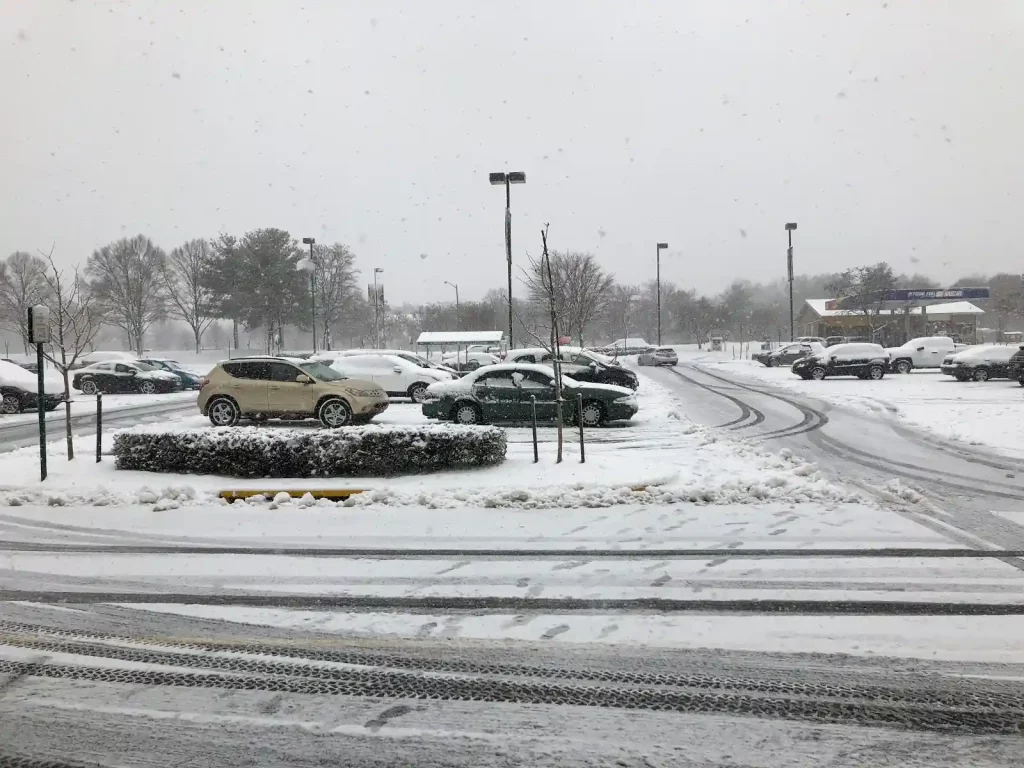
In winter, parking lots can become treacherous, with ice and snow creating serious hazards. You might not realize how efficiently de-icing can make a difference in safety and accessibility for everyone. By preventing ice formation before it occurs, you can protect both drivers and pedestrians from slips and falls. But what methods and materials truly enhance this process? Exploring the best practices could lead you to a safer, more welcoming environment for all.
Key Takeaways
- Efficient de-icing prevents ice formation, significantly reducing slip and fall accidents in parking lots.
- Clear pathways from proactive de-icing improve navigation for all users, especially vulnerable populations.
- Timely application of de-icing agents enhances vehicle traction, minimizing accident risks in icy conditions.
- Well-maintained parking lots through effective de-icing reflect a community’s commitment to safety and accessibility.
- Using a combination of de-icing materials and techniques ensures optimal effectiveness and user safety throughout winter.
What Are the Winter Hazards in Parking Lots?
Winter hazards in parking lots pose significant risks that can impact both safety and accessibility. When snow and ice accumulate, they create slippery surfaces that increase the likelihood of slips and falls, which can lead to serious injuries. Additionally, poor visibility caused by snow-covered lines can confuse drivers, making navigation challenging. You may also find that parked vehicles become trapped in icy conditions, further complicating access for everyone. Understanding how does de-icing work for parking lots is essential in combating these hazards. Effective de-icing not only melts ice but also prevents its formation, ensuring safer conditions for pedestrians and vehicles alike. By prioritizing proactive measures, you’ll foster an environment where everyone feels secure and welcome during the winter months.
How Does De-Icing Work for Parking Lots?
Understanding how de-icing works for parking lots is vital for maintaining safety and accessibility during cold months. De-icing agents, like salt or calcium chloride, lower the freezing point of water, preventing ice formation. When applied, these materials create a brine solution that effectively melts existing ice and snow. You’ll want to guarantee even distribution for maximum effectiveness, so using equipment designed for this task is imperative. Timing is also key; applying de-icing agents before a storm can be more effective than waiting until after. Monitoring weather conditions helps you decide when to act. By being proactive and utilizing the right techniques, you can keep parking lots safer and more accessible for everyone in your community during winter.

How De-Icing Improves Safety and Accessibility
When you prioritize de-icing in parking lots, you considerably enhance safety and accessibility for everyone who uses them. Removing ice and snow reduces slip and fall accidents, creating a safer environment for pedestrians, especially the elderly and those with mobility challenges. Clear pathways guarantee that everyone can navigate the space with confidence, fostering a sense of belonging. Effective de-icing also prevents vehicles from losing traction, minimizing the risk of accidents and collisions. By taking proactive measures, you contribute to a welcoming atmosphere where all users feel secure. Additionally, well-maintained parking lots reflect a commitment to community welfare, encouraging more visitors and enhancing overall accessibility. Ultimately, thoughtful de-icing practices create a harmonious space for everyone.
What Materials and Techniques Are Best for De-Icing?
Choosing the right materials and techniques for de-icing can considerably impact the effectiveness of your efforts. For ideal results, consider using rock salt, calcium chloride, or magnesium chloride, as these substances lower the freezing point of water, making them highly effective. Applying them before a snowstorm can prevent ice from forming, ensuring safer conditions.
In addition, consider using liquid de-icers, which can penetrate surfaces more efficiently than solid forms. Mechanical techniques, like snow plowing, complement chemical methods, providing a more thorough approach. Always monitor the weather and adjust your strategy accordingly. By understanding how de-icing works for parking lots, you’ll create a safer, more accessible environment for everyone, fostering a sense of community and care.
Best Practices for Implementing De-Icing in Parking Lots
Implementing de-icing in parking lots requires a strategic approach to maximize effectiveness and safety. Start by evaluating your specific needs and conditions—consider factors like traffic patterns and weather forecasts. Use a combination of materials, such as salt and sand, to enhance traction while minimizing environmental impact.
Timing is vital; apply de-icing agents before a storm hits to prevent ice formation. Regular monitoring and timely reapplication can guarantee a safe surface for customers and employees alike.
Train your staff on best practices and encourage feedback to continuously improve your methods. When everyone feels involved, you foster a sense of community and commitment to safety. Ultimately, understanding how does de-icing work for parking lots will lead to a more welcoming environment during winter months.
Conclusion
To sum up, efficient de-icing is essential for enhancing safety and accessibility in parking lots during winter months. By proactively applying de-icing agents, you can prevent hazardous ice formation, ensuring clear pathways for all users. This not only reduces the risk of slip and fall accidents but also reflects your commitment to community well-being. Implementing best practices in de-icing will create safer environments, fostering confidence and accessibility for everyone traversing your parking lots this winter.
You May Also Like To Read: