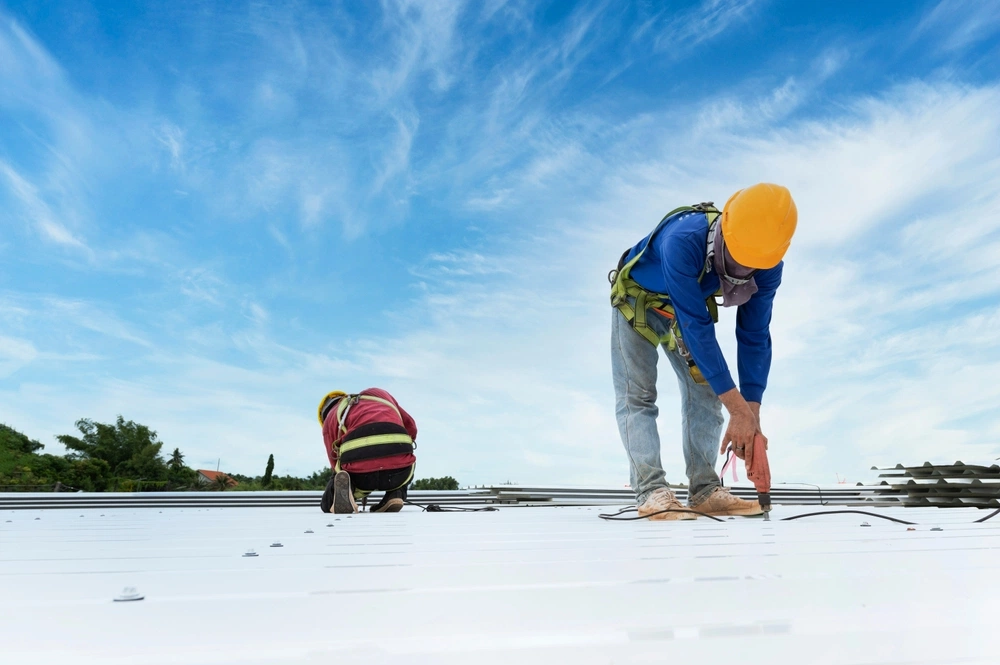
Regular commercial roof maintenance is critical for safeguarding a business’s investment. It involves systematic inspections and prompt repairs to address potential issues like leaks and structural damage. By prioritizing this maintenance, businesses can enhance energy efficiency and prevent costly repairs. Additionally, a well-maintained roof guarantees compliance with safety standards, protecting both property and personnel. Understanding the nuances of effective roof maintenance can lead to significant long-term benefits for any commercial property owner.
Key Takeaways
- Regular inspections identify issues early, preventing costly repairs and extending the lifespan of your roofing system.
- Maintenance enhances energy efficiency, reducing operational costs and improving overall business profitability.
- Addressing leaks and structural damage proactively protects your property from severe deterioration and financial loss.
- A well-maintained roof increases property value, making it more attractive to tenants and investors.
- Compliance with industry safety standards through regular maintenance safeguards your business against legal liabilities.
Understanding the Importance of Commercial Roof Maintenance
Understanding the importance of commercial roof maintenance is crucial for safeguarding the longevity and functionality of a business’s physical infrastructure. Proper maintenance extends the lifespan of roofing systems, mitigating the risk of costly repairs or replacements. Businesses benefit from regular inspections, which identify potential issues such as leaks, cracks, and wear. This proactive approach not only enhances safety but also guarantees compliance with industry standards. Additionally, maintaining a roof can lead to improved energy efficiency, reducing operational costs over time. By investing in what is commercial roof maintenance, business owners cultivate a sense of responsibility toward their property and community. Ultimately, this commitment fosters a reliable and secure environment for employees and clients alike, reinforcing the organization’s reputation and stability.
What Is Commercial Roof Maintenance?
Commercial roof maintenance encompasses a systematic approach to preserving and enhancing the integrity of roofing systems in business environments. This maintenance process includes regular inspections, cleaning, and repairs to identify and mitigate potential issues before they escalate. Technicians employ specialized tools and techniques to evaluate the roof’s condition, checking for leaks, wear, and structural integrity. Preventive measures such as sealant applications and drainage management are essential to this practice, ensuring ideal performance and longevity. By adhering to a maintenance schedule, businesses can safeguard their investment, reduce unexpected repair costs, and maintain compliance with safety regulations. Ultimately, understanding what commercial roof maintenance entails is vital for fostering a sustainable and secure operational environment.
Key Benefits of Regular Roof Inspections
Regular roof inspections serve as a critical component in the maintenance strategy of any commercial property, offering substantial benefits that extend beyond mere aesthetics. These inspections enable property owners to identify potential issues early, mitigating the risk of costly repairs or extensive damage. Additionally, they enhance the longevity of the roofing system, ensuring that it remains functional and effective throughout its service life. Regular inspections contribute to energy efficiency by identifying areas where insulation may be compromised, leading to reduced utility costs. Moreover, maintaining a well-functioning roof can enhance the overall value of the property, making it more appealing to tenants and investors. Ultimately, regular roof inspections are an essential aspect of thorough commercial roof maintenance.
Common Issues Addressed Through Maintenance
The maintenance of a commercial roof addresses a myriad of common issues that can jeopardize its integrity and functionality. Among these, leaks represent a significant concern, often arising from wear and tear or compromised flashing. Additionally, the accumulation of debris can lead to water pooling, increasing the risk of structural damage. Regular maintenance also identifies issues such as deteriorating seals and cracked membranes, which can contribute to energy inefficiency and escalate repair costs. Moreover, inspections can uncover signs of mold or mildew, critical threats to both health and property. By proactively addressing these common issues, commercial roof maintenance not only extends the lifespan of the roof but also protects the overall investment in the business premises.
Creating a Roof Maintenance Plan for Your Business
When developing a roof maintenance plan for a business, it is essential to contemplate both the specific needs of the roofing system and the operational requirements of the facility. A thorough plan should include regular inspections, detailed documentation of findings, and a schedule for necessary repairs. Prioritizing preventative measures, such as clearing debris and checking for water pooling, can greatly extend the roof’s lifespan. Additionally, businesses should allocate a budget for unexpected repairs, ensuring financial preparedness. Engaging a professional roofing contractor for periodic evaluations can enhance the effectiveness of the maintenance strategy. Ultimately, these actions fall under the umbrella of “what is commercial roof maintenance,” which is vital for safeguarding the business investment and maintaining operational efficiency.
Frequently Asked Questions
How Often Should Commercial Roofs Be Inspected?
Commercial roofs should be inspected at least twice a year, ideally in spring and fall. Regular inspections help identify potential issues early, ensuring longevity and functionality, ultimately safeguarding the structural integrity of the property.
What Are the Costs Associated With Commercial Roof Maintenance?
The costs associated with commercial roof maintenance typically include regular inspections, repairs, cleaning, and potential material replacements. Budgeting for these expenses guarantees longevity and peak performance, safeguarding the structural integrity of the property over time.
Can I Perform Roof Maintenance Myself?
While individuals can perform basic roof maintenance, professional expertise is often recommended. This guarantees thorough inspections, adherence to safety standards, and effective repairs, ultimately preserving the integrity of the roof and extending its lifespan.
How Does Weather Impact Roof Maintenance Schedules?
Weather greatly influences roof maintenance schedules, necessitating adjustments based on seasonal conditions. Rain, snow, or extreme temperatures can hinder inspections and repairs, emphasizing the need for strategic planning to guarantee timely and effective commercial roof maintenance.
What Happens if Maintenance Is Neglected?
Neglecting commercial roof maintenance can lead to severe structural damage, increased repair costs, and potential safety hazards. Ultimately, this negligence jeopardizes the longevity of the roof and the overall integrity of the business premises.
Conclusion
To summarize, regular commercial roof maintenance is an essential strategy for safeguarding business investments. By implementing systematic inspections and timely repairs, business owners can effectively mitigate potential issues, enhance energy efficiency, and guarantee compliance with safety standards. A well-structured maintenance plan not only prolongs the lifespan of the roofing system but also contributes to significant cost savings and preserves property value. Investing in proactive roof care is a prudent decision that ultimately protects the integrity of the entire business operation.
You May Also Like to Read: